
The Mechanism of Physical Barrier Formation by Expandable Graphite in Anti-Corrosion
 You think your coating is tough. Then a microscopic crack appears, moisture seeps in, and that pristine metal surface turns into a rusted mess. The old game of chemical inhibitors and sacrificial layers has its limits. But there is a smarter play here, one that doesn’t just fight corrosion but physically stops it dead in its tracks. Enter Expandable Graphite. This isn’t your grandfather’s passive paint additive. This is a material that waits, watches, and when the heat or chemical trigger hits, it explodes into action, building a fortress wall right where the threat is.
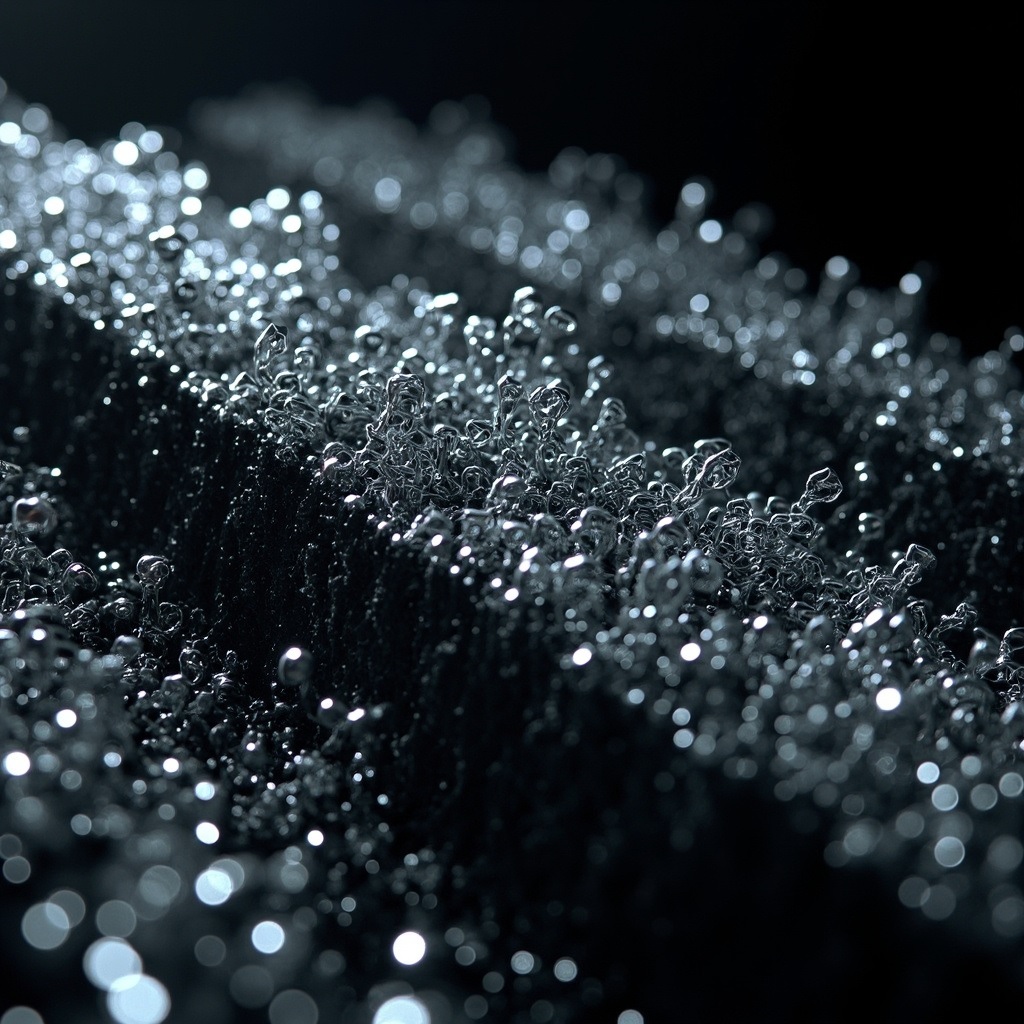
The beauty of expandable graphite lies in its raw, physical transformation. Picture tiny, flake-like particles embedded in a coating. Under normal conditions, they sit there, quiet, inert, adding nothing but bulk. But the moment a corrosive environment or fire triggers its expansion, those flakes undergo a violent, worm-like growth. They expand up to hundreds of times their original volume. This isn’t a chemical reaction that neutralizes a corrosive agent; it is a physical event that creates an impenetrable, carbon-based barrier. The graphite worms interlock, forming a thick, charred, and incredibly dense layer. This layer is the shield.
Why does this matter for your bottom line? Because corrosion is a silent profit killer. It eats pipelines, bridges, and industrial equipment from the inside out. Traditional anti-corrosion methods rely on constant maintenance, frequent recoating, and expensive cathodic protection systems. Expandable graphite changes the math. When that barrier forms, it does more than just block oxygen and moisture. It physically pushes away aggressive ions like chlorides. It seals off micro-cracks that would normally be highways for rust. The barrier is not just a film; it is a solid, multi-layered crust that refuses to let anything through.
Let’s get specific about the mechanism. The expansion is triggered by heat or a specific chemical catalyst. As the graphite flakes heat up, the intercalated compounds between the carbon layers decompose, releasing gas. That gas pressure forces the graphite layers apart, creating the characteristic worm-like structures. In an anti-corrosion coating, this means the moment a local hot spot or chemical attack begins, the graphite responds instantly. The barrier forms at the exact point of attack. It is adaptive, intelligent, and relentless. No other filler material offers this kind of active, on-demand defense.
For your product, this is a massive differentiator. You are not selling a coating; you are selling a self-healing, self-building armor. The expandable graphite turns a static paint job into a dynamic defense system. It reduces the need for thick, heavy coatings that crack under stress. It allows for thinner, more flexible films that still outperform traditional systems in aggressive environments. Your customers get longer asset life, lower maintenance costs, and fewer catastrophic failures. That is not a feature; that is a financial statement.
The market is tired of promises that sound good in a lab but fail in the field. Expandable graphite delivers because its mechanism is brutally simple and brutally effective. It doesn’t rely on complex chemistry that can be neutralized. It relies on brute force physics. When the environment turns hostile, the graphite grows, locks together, and says, “Not today.” That is the kind of protection that makes engineers sleep better at night and keeps your clients coming back for more. Stop fighting corrosion with tricks. Start building walls with expandable graphite.
