
Protein Powder Packaging Options For Streamlined Production Processes
Efficient packaging plays an important role in maintaining product quality while supporting smooth and organized production. Protein powder requires packaging that protects freshness, supports convenient handling, and works efficiently with filling and sealing equipment. Selecting suitable packaging formats can help manufacturers create consistent workflows while improving productivity. Flexible pouches, rigid containers, sachets, and other practical formats provide valuable options for different product quantities and handling requirements. With thoughtful packaging selection, production lines can achieve reliable filling, secure sealing, efficient movement, and attractive finished products.
Flexible Pouches For Efficient Handling
Flexible pouches provide a practical option for protein powder because they combine lightweight construction with convenient storage.
- Require less packaging material for many applications.
- Support efficient filling and heat-sealing operations.
- Can include resealable closures for convenient repeated use.
- Offer flexible sizing for different product quantities.
- Allow efficient storage and transportation.
- Stand-up designs provide stable positioning during handling.
Packaging guidance can further support informed format selection, especially when manufacturers review suitable structures and filling requirements through https://www.levapack.com/packaging-guideline-for-protein-powder/.
Rigid Containers For Reliable Protection
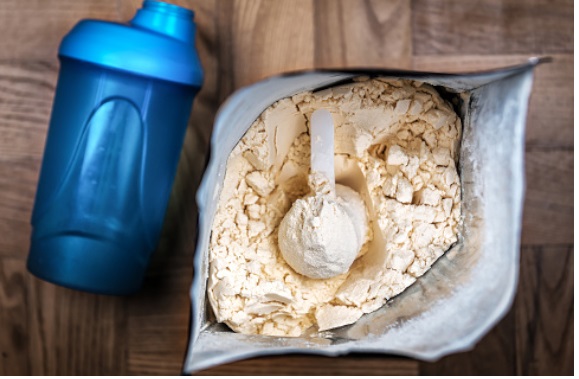
Jars, tubs, and cans provide sturdy packaging solutions that support repeated opening and closing while helping protect the powder during handling.
- Provide strong physical protection.
- Offer wide openings for easy scooping.
- Support secure lid and seal applications.
- Work well with automated filling systems.
- Provide convenient storage after opening.
- Can accommodate different fill volumes.
Rigid formats can also integrate smoothly with capping, sealing, and labeling stages, creating an organized packaging sequence.
Single-Serve Formats For Convenient Production
Sachets and stick packs are useful for measured portions and convenient product handling.
- Provide consistent individual servings.
- Support portable product formats.
- Reduce the need for repeated measuring.
- Enable efficient automated filling.
- Allow continuous forming, filling, sealing, and cutting.
- Work effectively for sample and smaller quantity formats.
These formats can contribute to streamlined production when integrated with suitable powder-dosing and sealing equipment.
Sealing Options That Improve Efficiency
Reliable sealing helps maintain package integrity while supporting consistent production performance.
- Heat sealing creates secure flexible-package closures.
- Induction sealing supports strong inner barriers for rigid containers.
- Automatic capping improves closure consistency.
- Tamper-evident seals provide additional product protection.
- Controlled sealing reduces leakage possibilities.
- Automated operations support faster packaging cycles.
Features Supporting Streamlined Production
Modern packaging processes can combine multiple stages to create a smoother workflow from filling to finished-product handling.
- Accurate powder dosing supports consistent fill quantities.
- Automated container handling keeps production organized.
- Integrated filling and sealing reduces manual intervention.
- Conveyor movement supports continuous product transfer.
- Inspection stages help maintain packaging consistency.
- Flexible equipment configurations accommodate different formats.
- Efficient changeover procedures support multiple product sizes.
- Organized packaging lines can improve overall production flow.
Building A More Efficient Packaging Workflow
The right packaging format can make each production stage easier to coordinate. Combining suitable containers with accurate filling, dependable sealing, efficient capping, and organized material movement creates a positive foundation for streamlined operations. By selecting packaging options according to product quantity, handling needs, closure requirements, and production goals, manufacturers can support consistent output, efficient resource use, and dependable finished-package quality.
